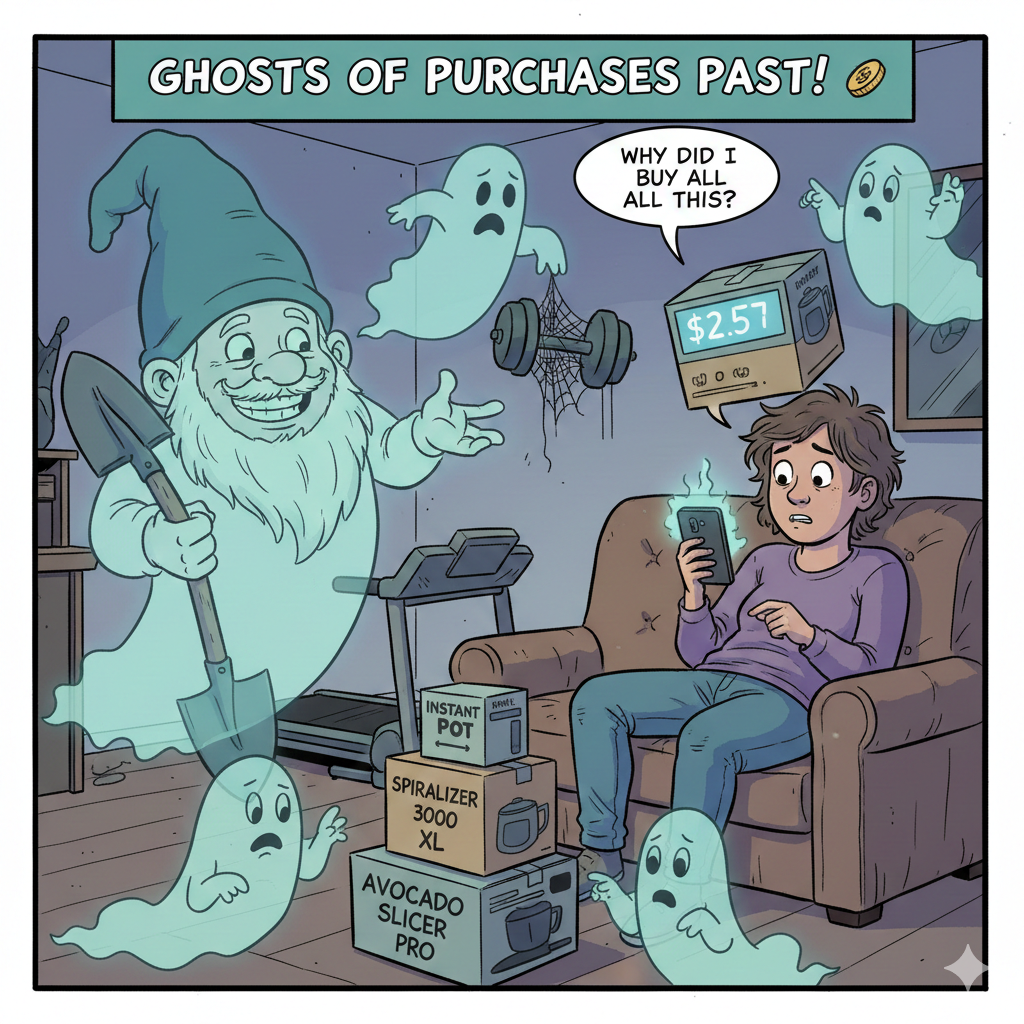

The Emotional Cost of Money Mistakes No One Talks About
Because crying into your empty wallet isn’t as therapeutic as they claim
Let’s be honest. When we talk about financial blunders, we focus on the numbers: the overdraft fees, the interest compounding against you like a vengeful math deity, the shocking realization that avocado toast doesn’t actually cost $25 per slice. But lurking beneath every questionable purchase and every investment-that-was-definitely-not-a-pyramid-scheme is a swirling vortex of emotions nobody prepared us for.
We’re talking about the shame spirals, the 3 AM anxiety parties, and the peculiar grief over money that vanished faster than your willpower at a “Buy One Get One Free” sale. Today, we’re pulling back the curtain on the emotional circus that follows every financial faux pas.
The Unholy Trinity of Money Mistake Emotions
1. The “I’m a Financial Toddler” Shame
You’re a grown adult who can operate a smartphone, file taxes (mostly), and remember to water a plant (sometimes). Yet, you just overdrafted your account because you forgot about that $8.99 streaming subscription you signed up for to watch one documentary in 2019. The shame burns hotter than your last attempt at homemade chili.
Emotional Toll: A sudden conviction that you’re actually a toddler in an adult suit, followed by the urge to hide all financial statements in the same place you hid your childhood report cards.
2. The “Future Me is Going to Hate Present Me” Anxiety
That “treat yourself” moment when you bought the limited-edition, glow-in-the-dark garden gnome? Present You felt powerful. Future You, trying to scrape together a house deposit, will have words. This creates a unique time-travel paradox of self-loathing.
Emotional Toll: 3 AM wake-ups where you mentally calculate compound interest on gnome money, realizing it could have funded a small retirement villa for a hamster.
3. The “Why is Everyone Else a Money Wizard?” Isolation
Social media showcases only financial wins: the new car, the vacation, the “humble” home renovation. Meanwhile, your biggest recent win was finding a $5 bill in a winter coat. The comparison game makes you feel like you’re playing financial Monopoly while everyone else is mastering the stock market.
Emotional Toll: Believing you’re the only person who doesn’t have a secret trust fund, leading to awkward questions at family gatherings about your “financial plans.”
The Hall of Shame: Specific Mistakes & Their Emotional Fallout
🎭 The Lifestyle Creep Charade
The Mistake: You got a raise! And immediately upgraded your coffee, your gym, your subscriptions, and your artisanal pencil collection. Soon, you’re spending exactly what you earn, but with fancier erasers.
The Emotional Hangover: A confusing blend of entitlement (“I deserve this single-origin, shade-grown, ethically-sighed-over coffee!”) and panic (“Why am I still living paycheck to paycheck?!”). You feel trapped in a gilded cage you built yourself, one overpriced latte at a time.
💳 The Credit Card Float “Strategy”
The Mistake: Using this month’s paycheck to pay last month’s credit card bill, while charging this month’s expenses to the card. You’re not spending money you have; you’re spending money you will have, like a psychic with terrible financial advice.
The Emotional Hangover: The constant low-grade fear of the “float” turning into a “sink.” Every unexpected expense feels like a personal betrayal by the universe. You develop a nervous tick every time you hear the word “interest.”
📈 The “This Time It’s Different” Investment
The Mistake: Putting a “small, fun amount” into cryptocurrency/that hot stock your barber mentioned/a company that makes socks for lizards. You watched a YouTube video! You’re basically Warren Buffett.
The Emotional Hangover: The five stages of grief, but for money. Denial (“It’s just a dip!”), Anger (“WHY, LIZARD SOCKS, WHY?!”), Bargaining (“If it just comes back to even, I swear I’ll never invest again”), Depression (staring at charts), and finally, Acceptance (using the experience as a “funny” story at parties).
🤫 The Financial Infidelity Tango
The Mistake: Hiding purchases, debts, or accounts from a partner. The secret Amazon deliveries, the stashed receipts, the creative storytelling about where that new gadget came from (“This old thing? It was… uh… a gift from the tech fairy!”).
The Emotional Hangover: A stomach-churning mix of guilt and paranoia. You jump when the doorbell rings (more packages?), you sweat during account login sessions, and you feel a strange resentment toward your partner for “making” you lie about your passion for collectible figurines.
The Path to Emotional (& Financial) Recovery
Fear not, fellow financial fugitive! The goal isn’t perfection; it’s progress with fewer panic attacks. Here’s how to heal the emotional paper cuts:
- Normalize the Mess: Everyone makes money mistakes. Everyone. The person with the perfect budget spreadsheet probably has a secret debt to a llama farmer. Talk about it with trusted friends. You’ll be shocked how therapeutic it is to hear, “You too? I once invested in a company that made solar-powered flashlights!”
- Separate Your Worth from Your Net Worth: You are not your credit score. You are not your bank balance. You are a complex, valuable human who occasionally makes questionable decisions about Groupons. Practice saying, “I made a financial mistake” not “I am a financial mistake.”
- Embrace the “Oops Fund”: Build a small buffer for mistakes. Call it your “Financial Fudge Factor.” Knowing there’s a little cash specifically for when you mess up removes immense psychological pressure. It’s like a seatbelt for your soul.
- Conduct a “Money Autopsy” Without Guilt: Look at what went wrong with curiosity, not self-flagellation. “Fascinating! I spent $400 on food delivery this month when I have a perfectly good kitchen full of expired condiments. What emotion was I feeding?”
- Celebrate Tiny Wins: Paid off a $50 balance? Set a budget for the week and mostly stuck to it? Resisted buying the gadget that promises to julienne your fries? Do a victory dance. Financial progress is built on small, consistent choices, not grand, Instagrammable gestures.
The Bottom Line
Money mistakes are tuition for the university of life. The emotional cost is real—the shame, anxiety, and isolation are valid. But by bringing these feelings into the light, laughing at our shared human folly, and implementing kinder, more realistic strategies, we can pay off that emotional debt.
Remember: The only truly unforgivable money mistake is the one you don’t learn from. That, and investing in lizard socks. 🦎🧦